Thank you! Your submission has been received!
Oops! Something went wrong while submitting the form.
Search results
...

No results







Type at least 3 characters of the model name or number.
No results
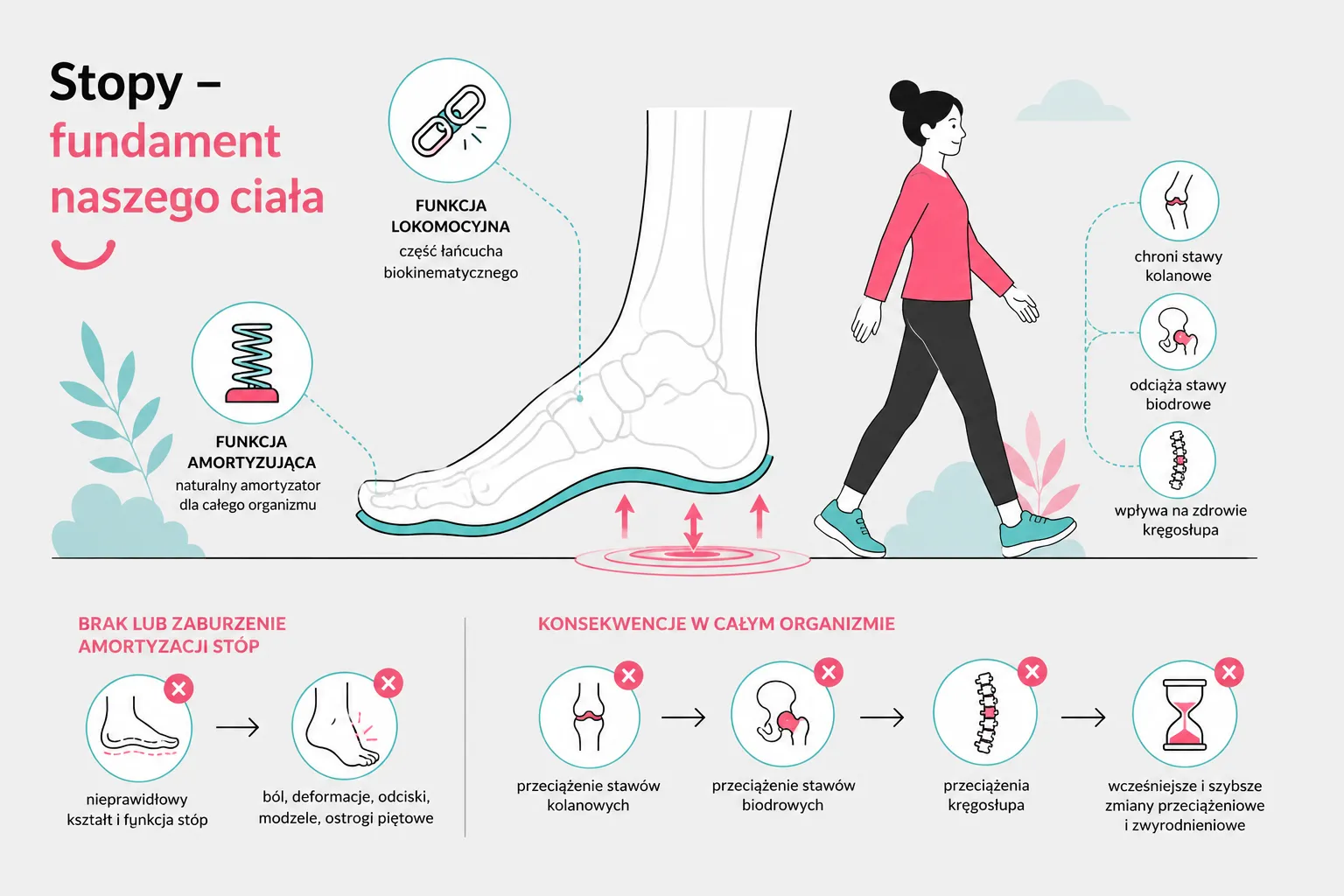
The value of good shock absorbers in a vehicle is best appreciated when driving over uneven ground. Without shock absorbers (e.g. a wooden farm cart or a bicycle with a flat tyre), or when they work poorly or are faulty, not only does comfort drop dramatically, but the whole mechanism (bearings and suspension) wears out much faster. You can still ride, but not far and not comfortably. In an adult, impaired shock absorption of the feet due to their abnormal shape and function leads to unfavourable changes in the feet themselves (hallux valgus, forefoot deformities and pain syndromes, corns and calluses, heel spurs), but also in the rest of the musculoskeletal system (especially the knees, hips and every section of the spine), and consequently to earlier and faster development of overload and degenerative changes.
In the past, human feet were shaped by constant contact with the ground. Stimuli that constantly irritated the sole of the foot also stimulated the development of the muscular and skeletal systems. A bare foot had to be much tougher and more efficient. Civilisation has brought a huge improvement in comfort, but by depriving the feet of contact with natural ground it has also removed the stimuli that encourage their healthy development. Walking barefoot on flat, soft and warm surfaces (laminate flooring, carpets, rugs) does not give the feet the chance to develop properly.
The shaping of the adult foot is a long, multi-stage process that lasts from the time a child starts learning to walk until about two years after the feet stop growing in length. It is a slow process that depends on many factors:
We make contact with the ground through our shoes. The shoes we choose are responsible for the healthy development of our child's feet and have a significant influence on the way and dynamics of walking. Choosing suitable, well-made and well-shaped footwear is important for an adult (it improves the look and efficiency of walking), but for a child it is essential for healthy foot development and for shaping the walking function. Children's shoes should support the natural development of the feet and help the walking function develop correctly. As children grow, they become more active – they need sturdier footwear that protects the foot well during various sports. It is important that footwear works with the child's foot without restricting its natural functions.
Symptoms that should concern parents or a paediatrician include:
An important factor in predicting foot problems in a young child is the presence of various types of foot deformities and gait disorders in the family – in older siblings, parents and grandparents (children often have their grandparents' feet).
Children with increased ligament and/or muscle laxity, excess weight, long narrow feet, or previous foot and/or ankle injuries are at increased risk of foot function and gait efficiency disorders.
Using properly chosen and fitted (preventive) shoes at every stage of a child's development, from about 2 years of age until the feet stop growing in length, safeguards foot development and the formation of a correct gait pattern. This has a significant impact on how a person functions in adulthood. Existing foot conditions and impaired gait efficiency can be corrected relatively easily with various types of orthopedic insoles or heels. These are functional (reversible) disorders. The child's age is important – the earlier we intervene correctly, the sooner we achieve a return to normal. Pumping up a bicycle tyre dramatically improves the comfort and speed of the ride.
Choosing the right shoe size, taking into account the child's age and foot width
Up to about 3–4 years of age, the underside of a child's foot is protected by a fat pad that supports the longitudinal arch. The knees, initially varus (when the first steps are taken), straighten briefly at about 18 months, and then valgus increases until about 4–5 years of age (up to about 4 cm is physiological at this stage). Between 4 and 7–8 years of age the knees straighten physiologically. The longitudinal arch of the foot only forms at around 4 years of age. During this period children usually do not need any special insoles, but this is when ankle subluxation with a valgus heel and the related gait disorders most often occur (heel walking, in-toeing – “pigeon-toed” walking, which usually causes frequent falls – and toe walking); calf pain is common (the child usually does not complain of pain, but after 100–200 m wants to be carried, or in the evening asks for their “legs to be massaged”); knock knees often develop. Children can learn to walk without shoes, but they need shoes to protect their feet and for healthy foot development and gait formation. In early childhood the most important feature of a good shoe is very good stabilisation of the ankle. Correct fastening or lacing is also important (even the best shoe loses its properties if it is not fastened properly).
During the period when the longitudinal and transverse arches form (usually between 4 and 7 years of age), properly shaped insoles that safeguard the formation of a healthy foot become a very important part of the shoe. This is especially important for children with increased ligament laxity (about 15% of the population). Ankle laxity and developing flat feet are usually accompanied by marked hyperextension of the knees and elbows and often a kyphotic posture. In this period pronounced functional flat feet usually develop, which after several years or more may become fixed. Existing changes and gait disorders usually intensify during the period of accelerated growth in foot length, which usually precedes a rapid increase in the child's height.
The ideal time to spot abnormalities in order to treat them is under the age of 3 (problems rarely begin under the age of 2). When observing your own child, pay attention not only to the shape and appearance of the feet, but above all to the way they walk and run. In all worrying cases a visit to an orthopaedist or a specialist in medical rehabilitation is advisable.
Over the last decade or so, children's foot size has changed significantly – children and teenagers usually have feet two sizes bigger than their parents. Footwear must fit the foot (for a child, one size larger than the length of the foot). Shoes that are too big cause the foot to lose stability and, as a result, the child may even fall over when walking.
When trying on and wearing shoes, they must always be properly fastened or laced – even the best shoe loses its properties if it is not fastened properly.
A big problem is choosing footwear for children and teenagers (about 10–15% of the population) with very long and narrow or short and wide feet. Especially with a long, narrow foot, in a typical, even very good shoe the ankle is not protected against injury, and a typical insole does not support the arches of the foot (it may even cause or worsen pathology). Some shoe models can be fitted well to the width of the foot, and some companies make shoes for feet of different widths. In extreme cases, insoles that narrow the shoe or custom-made footwear are needed.
DR PIOTR KLISZCZ
Orthopaedic and trauma surgeon, specialist in medical rehabilitation, Rehabilitation Clinic – Henryk Jankowski Hospital in Przeworsk,
Orthopaedic Clinic – Almed Medical Centre, Jarosław
Neurology Department – COM Hospital in Jarosław

Why might one pair not be enough? We explain when two pairs of preventive or corrective footwear are useful and how to choose them well for your child.
See how we design healthy shoes for children, combining the needs of the foot, freedom of movement, ease of use and a look that appeals to the youngest.
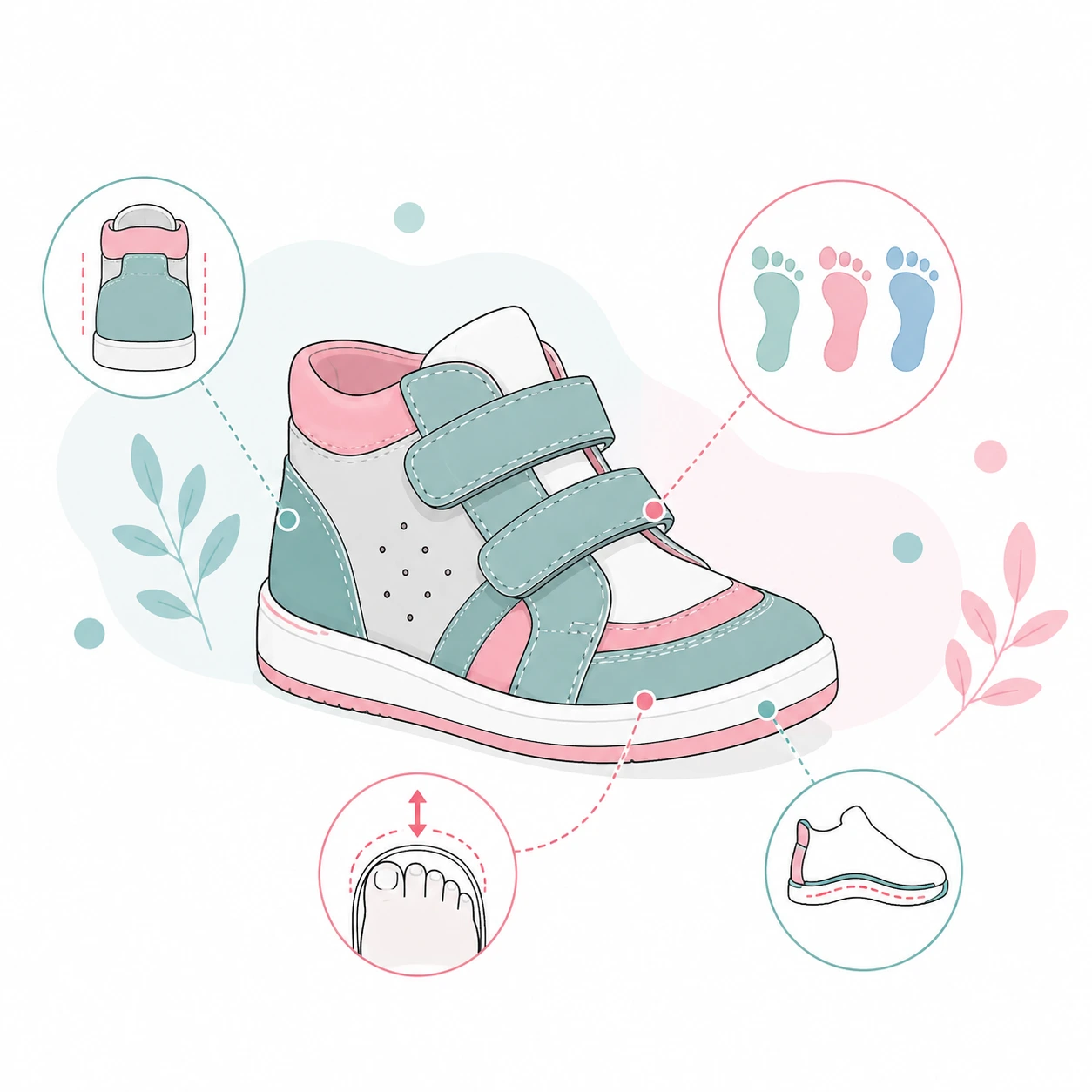
See the most common mistakes made when choosing preventive footwear for children and what to look out for before you buy.

Learn how to put on, wear and care for Aurelka footwear correctly, so that it lasts as long as possible and fulfils its preventive and corrective role. The same guide comes as a leaflet in the shoe box – here you always have it to hand.
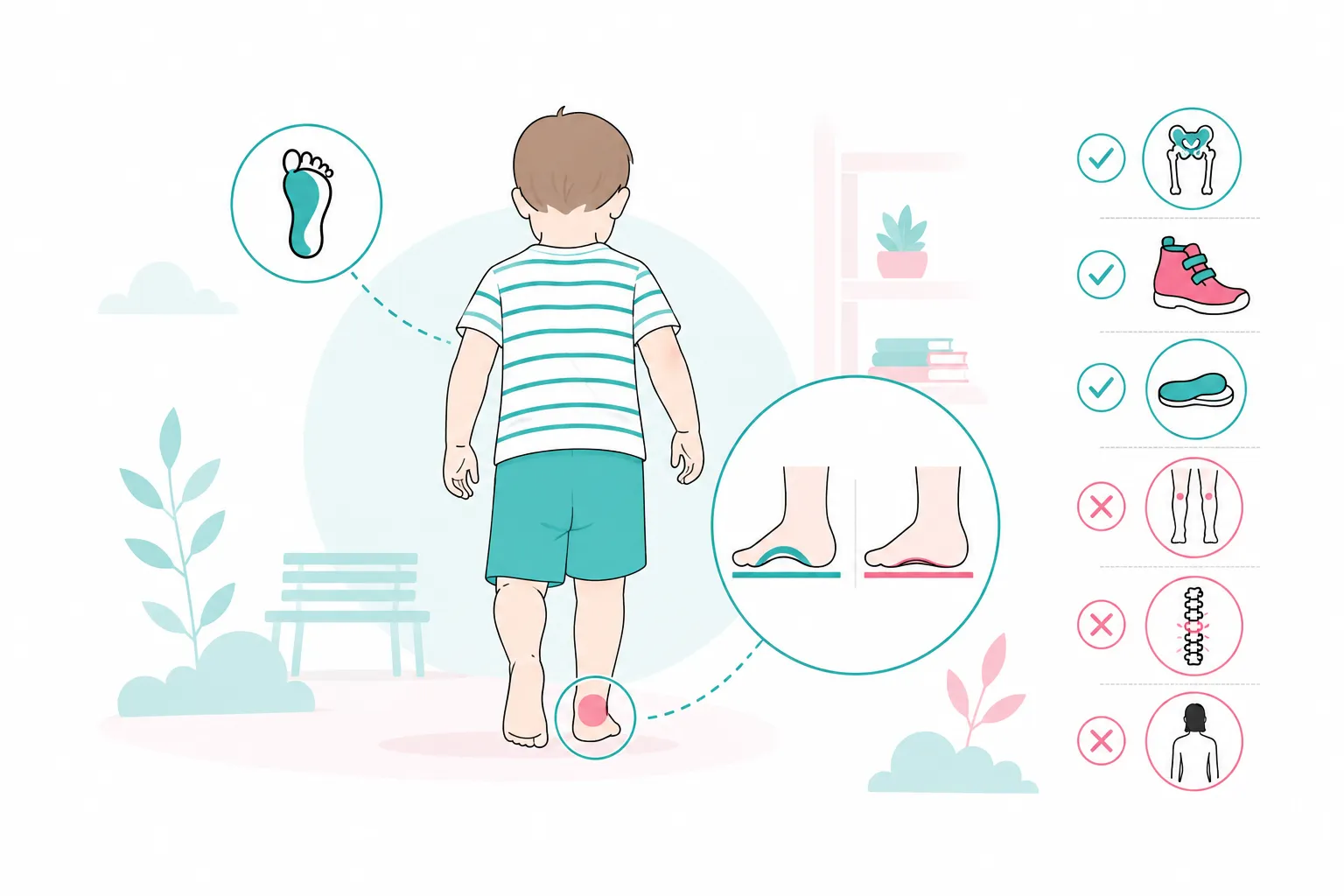
Flattened little feet, walking on tiptoe, a night-time “massage my legs” – parents often treat these as a phase the child will simply grow out of. Dr Piotr Kliszcz explains when functional flat feet really resolve on their own, and when they leave a lasting mark on the feet, knees and spine well into adult life.
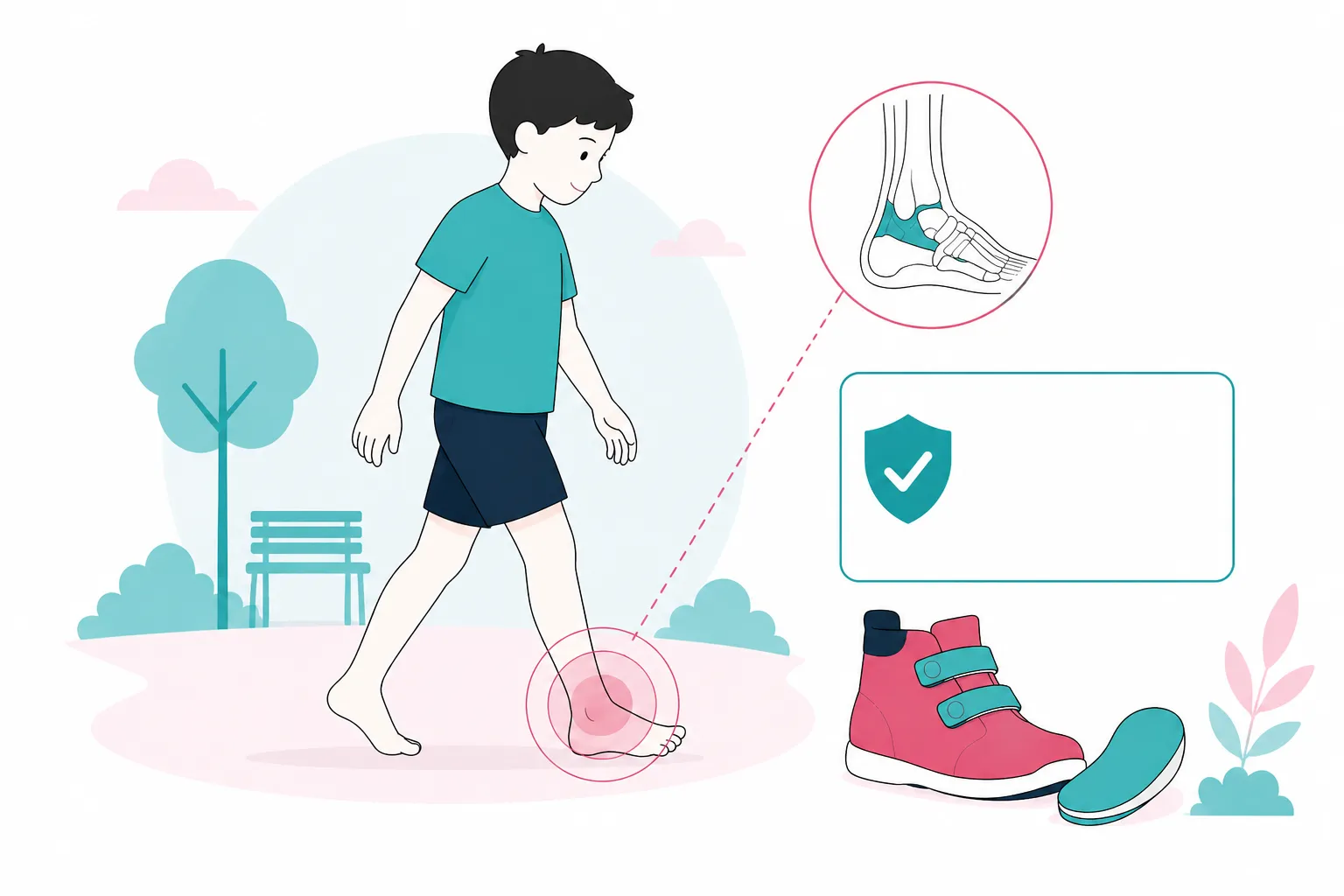
A child who comes back from a walk in tears, wakes up at night with calf pain or insists on walking on tiptoe can rarely say what is wrong. These signals almost always have one source – an unstable ankle and developing functional flat feet. In this article we explain how to recognise the individual symptoms of gait disorders and why, in most cases, the first step of treatment is simply well-chosen footwear.
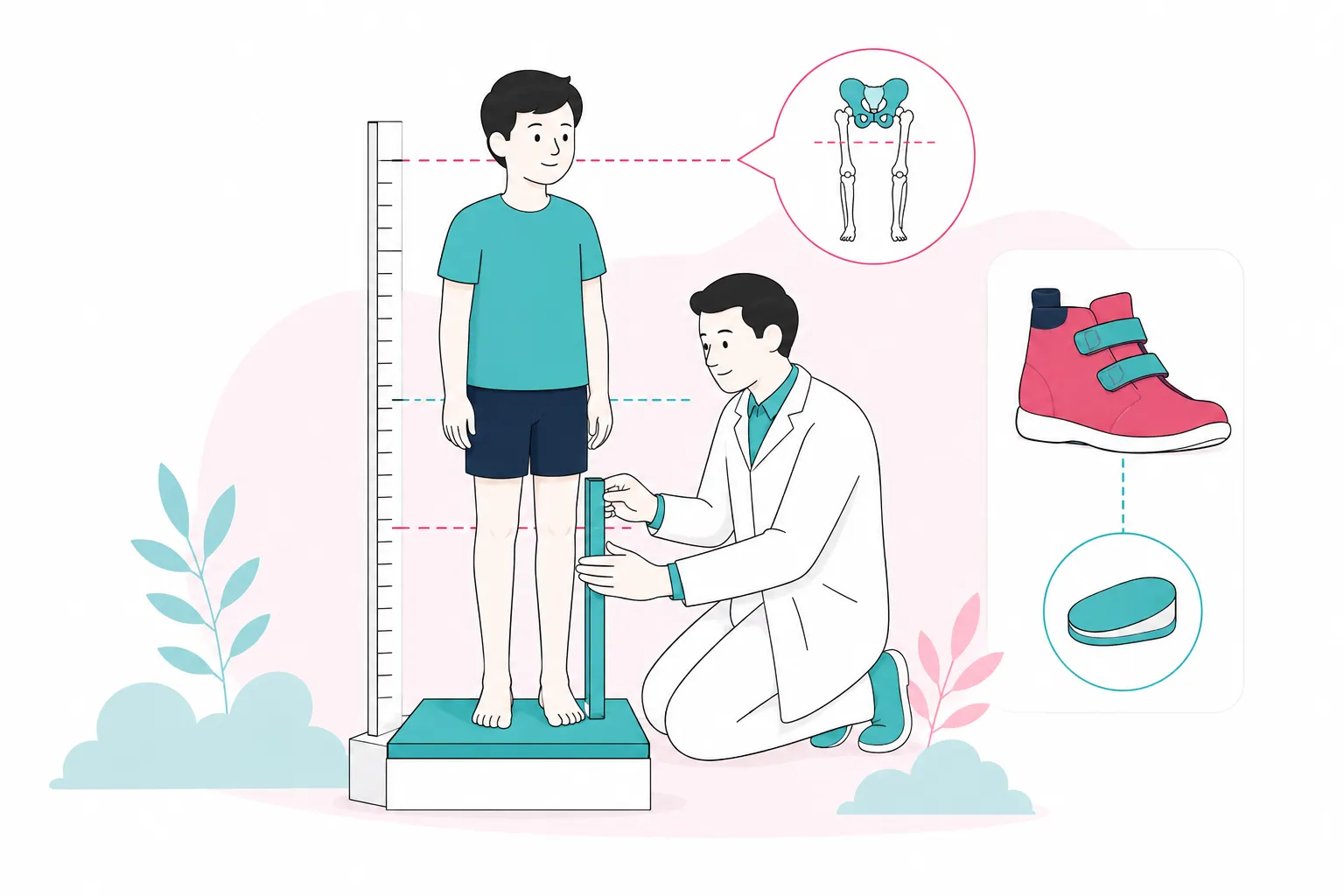
Leg length discrepancy in children and adolescents. Even a few millimetres' difference in leg length in a child can, over time, lead to scoliosis, hip pain or a noticeable limp. Dr Piotr Kliszcz, orthopaedic and trauma surgeon, explains how to recognise a shorter leg, how it differs from functional shortening and why properly chosen footwear is often the first and most effective step towards evening it out.
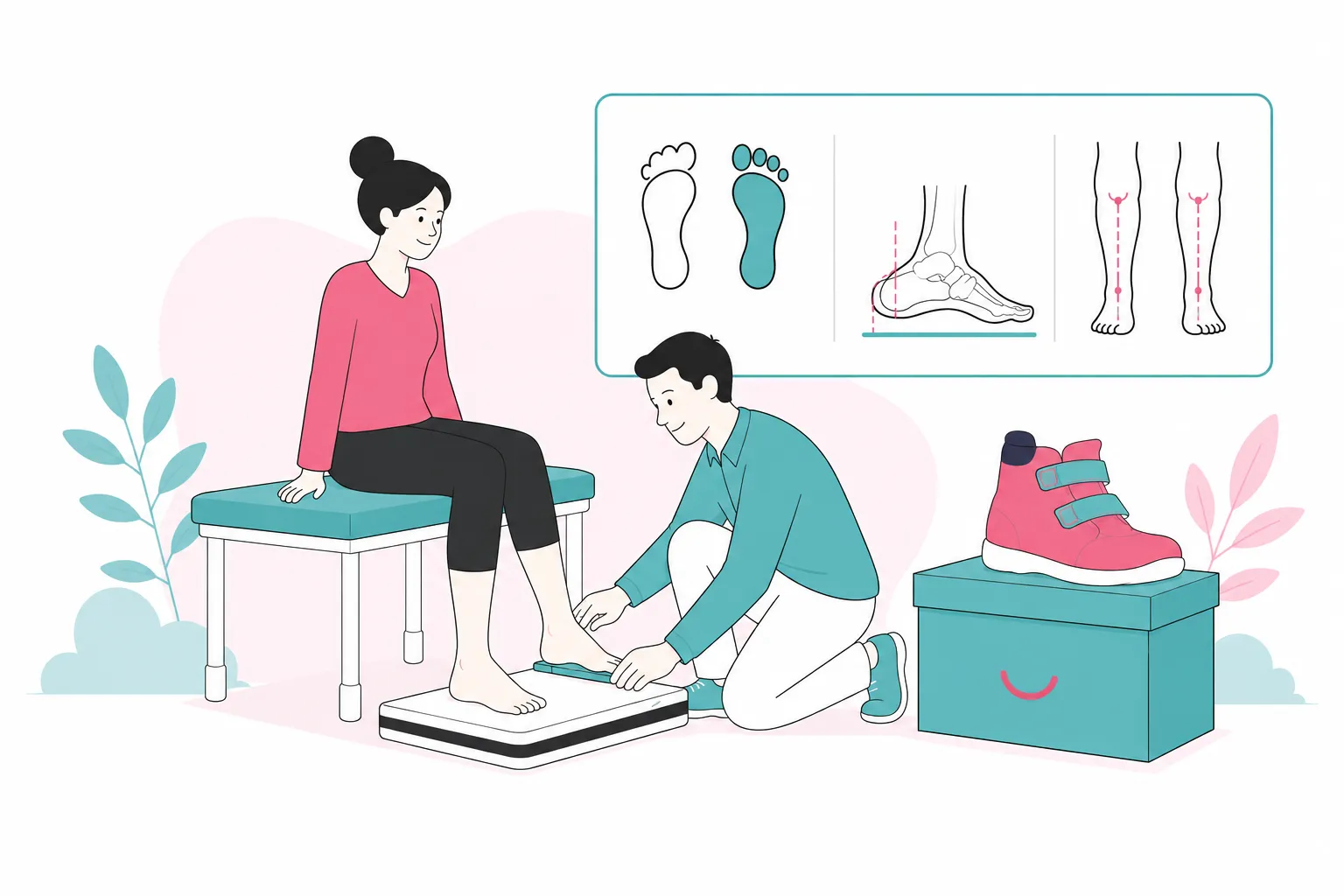
Preventive footwear should have a shape and dimensions close to those of a well-formed foot, so that muscles and joints can work freely and physiological processes run undisturbed. This is the starting point of every conversation about orthopedic footwear – because before we talk about corrections and insoles, it is worth establishing what a “good shoe” actually is.
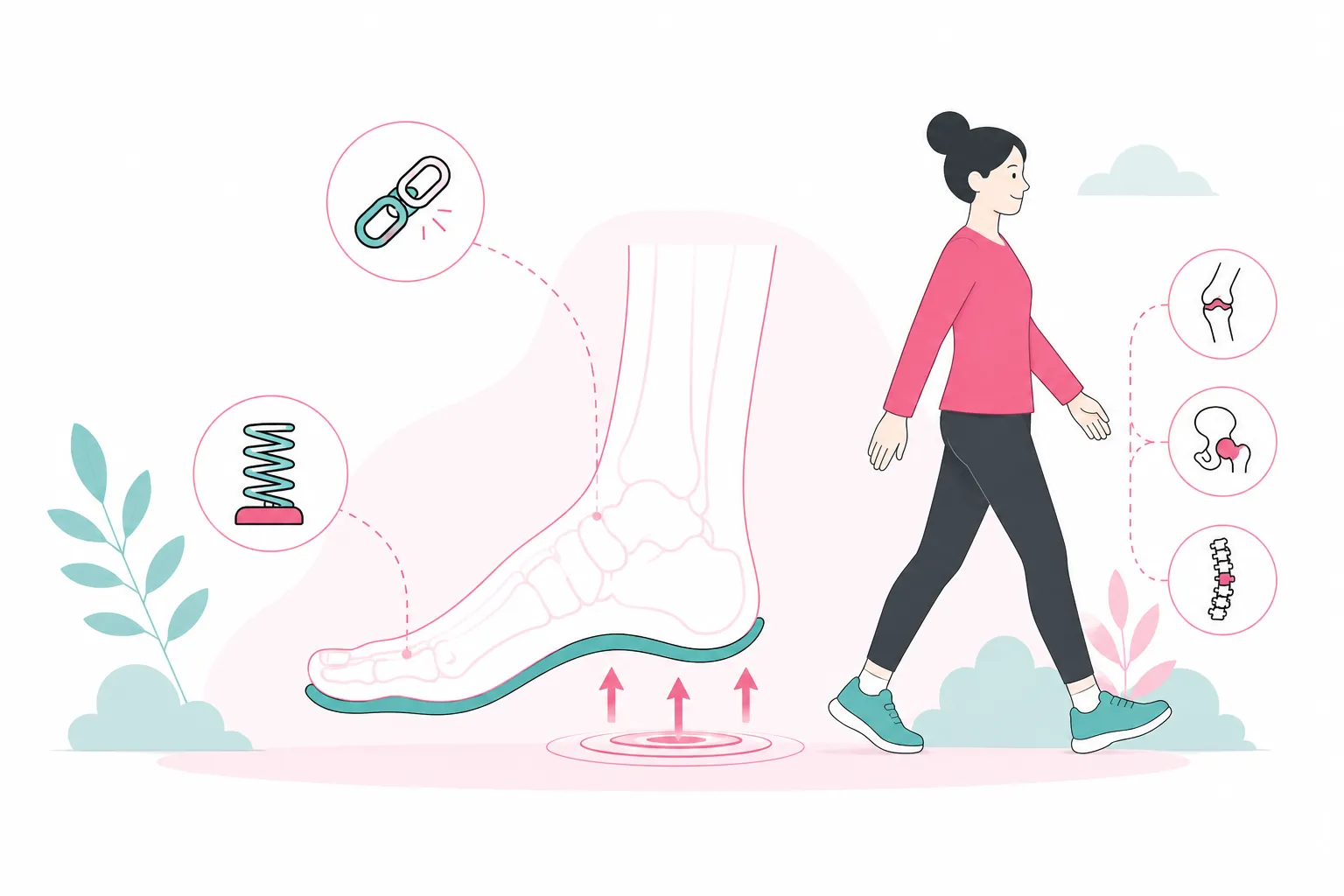
The feet have a locomotor function (as part of the biokinematic chain) and a shock-absorbing one. They are not a separate element, but part of the motor system that allows us to move, and they are the body's main shock absorber when walking.





