Thank you! Your submission has been received!
Oops! Something went wrong while submitting the form.
Search results
...

No results







Type at least 3 characters of the model name or number.
No results
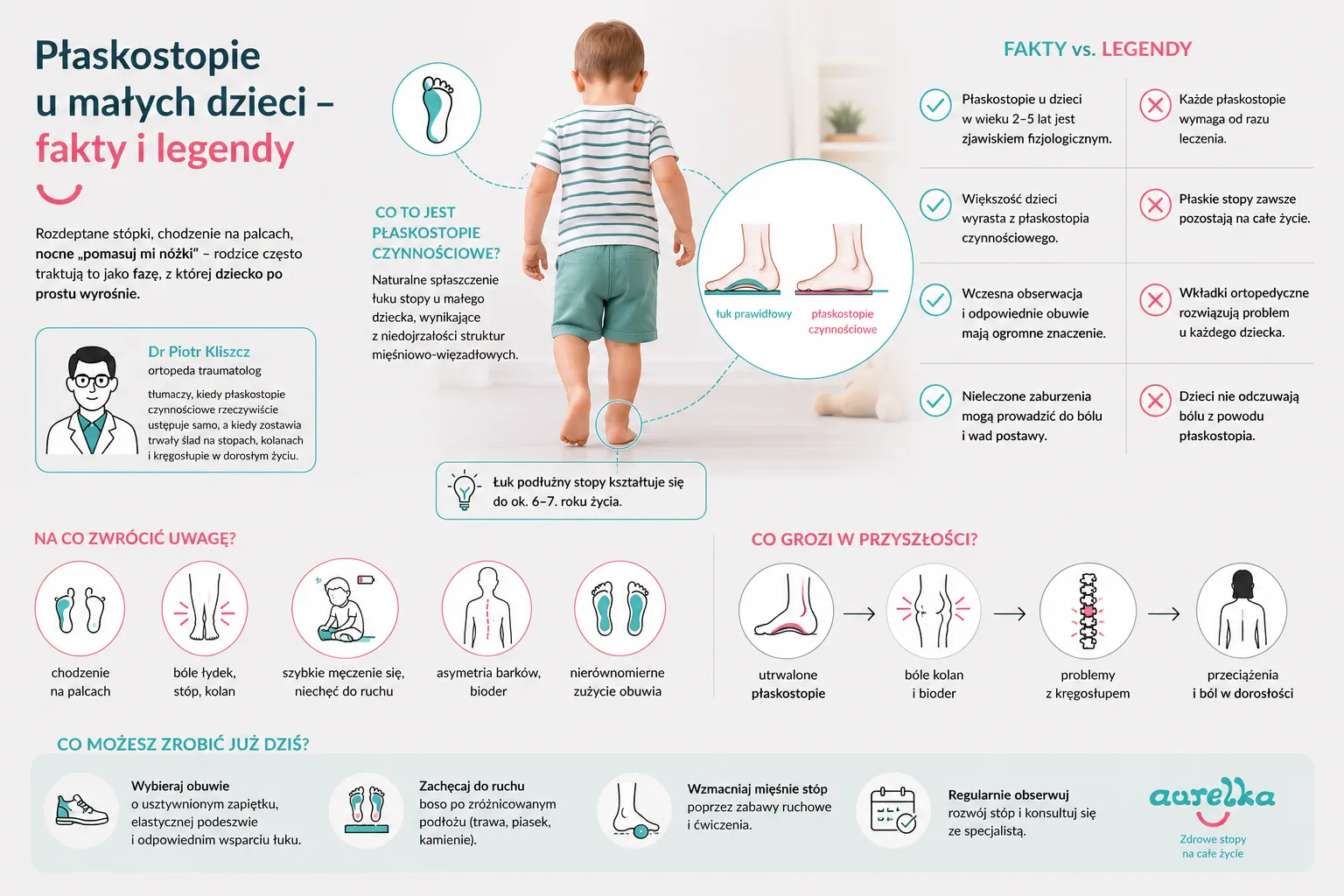
Flat feet, in the simplest definition, means a lowered or absent longitudinal arch of the foot and, in older children, also a lowered transverse arch.
From the point of view of parents and grandparents, it is above all a gait disorder. The child walks awkwardly and heavily, turns their feet inwards and, in extreme cases, trips over their own feet and falls. They “bend their knees inwards”, wear the heels of their shoes unevenly and sweep their feet inwards – the so-called pigeon-toed gait. On a walk, when led by the hand, they soon want to be carried or put in the pushchair, and in extreme cases do not want to leave the house at all. At home they thump their heels on the floor or walk on tiptoe, and when walking barefoot on a flat surface their feet clearly “slap”. Seen up close, the feet look flattened, like a pancake or a flipper.
A young child often cannot say that their legs hurt. Sometimes they wake up crying at night shortly after falling asleep and it is not clear why – especially after a very active day. An older child will say it directly: “mummy, massage my legs”, and after the massage sleeps on peacefully. What usually surprises parents is that a child who can run around the yard all day starts complaining after just a few dozen metres of being led by the hand that their legs hurt and they do not want to walk any further. All these symptoms are typical of gait disorders caused by functional flat feet.
From a biomechanical point of view, the problem is much more complex than the word “flat feet” suggests. It starts with subluxation of the ankle joint at the stage of learning to walk or a little later, which leads to a valgus heel position. When the fat pad protecting a child's foot disappears – usually in the 3rd or 4th year of life – this subluxation makes the physiological formation of the longitudinal arch difficult or even impossible.
The same disturbances of foot function also make it hard for the transverse arch to form. Even in a child aged 4–6 it can become inverted, with hallux valgus appearing and a marked widening of the forefoot. Subluxation of the ankle joint also leads to internal rotation of the lower leg, which shows as increased adduction of the feet when walking, and to valgus knees, which in an older child can make it hard to straighten them fully.
Functional flat feet are by definition a reversible disorder – a child really can grow out of them. In my view, however, this applies only to some cases, because in about 15% of children it leaves lasting consequences: fixed flat feet, hallux valgus, heel spurs, ganglia, pain syndromes of the feet and ankles, and over time overload and degenerative changes in the knees, hips and spine. To varying degrees it also affects the efficiency and look of walking. In teenagers, flat feet can even show up as headaches.
The development of flat feet in a child is a process spread over time – the disorders can resolve spontaneously at any stage or get worse with age. First comes subluxation of the ankle joint and a valgus heel position, while in a young child the fat pad still protects the foot from more serious consequences. After about the age of 2, physiological knock knees increase, reaching a maximum – usually about 4 cm – at around the age of 4, and then gradually disappear by the age of 7.
Because of a physiologically more flexible ligament system, functional flat feet affect both girls and boys. Serious, lasting consequences, however, are seen much more often in women – here hormones also play a part, further increasing the flexibility of the ligaments. The feet of both grandmothers say a lot about the risk for our child. If both have clear problems – hallux valgus, hammer toes, heel spurs, corns, calluses, ankle and knee problems – the risk of similar problems in their grandchild 50 years from now is clearly higher. All the more so because in today's world, moving mainly on flat, even and often heated surfaces, children's feet are deprived of the natural stimuli that would encourage their healthy development.
Doctors' and physiotherapists' approaches to gait disorders in children vary widely. In England and Poland the prevailing view is that it is a temporary functional disorder the child grows out of – and in more than 85% of cases that is indeed what happens. The approach is quite different in Austria, where the state recommends and even subsidises proper preventive footwear for children up to school age.
In my practice I see not only children but also adults, which gives me the chance to see what the feet of the examined child's mother and grandmother look like. This makes it possible to predict with greater probability what the child's feet will look like in 20 or 50 years. Real problems resulting from a lack of proper footwear in childhood affect between a few and over ten per cent of people in adulthood, mostly women. In boys, hormones start to act during puberty and the ligament system becomes stronger and less stretchy. Symptoms related to gait disorders up to the age of 40 usually appear periodically, although they clearly affect the look and efficiency of walking. After 40 they increase, and they are what most often brings a patient to an orthopaedist or physiotherapist. In people who are overweight, problems usually appear earlier.
It is parents, not the child, who decide on the regular use of properly shaped preventive footwear. At a younger age, good shoes bring an improvement in walking efficiency and appearance that is visible even to a layperson – a parent or grandparent. Indeed, a young child who happily puts on good shoes by themselves or brings them to be put on is expressing their opinion of them in the best possible way.
Well-chosen footwear stabilises the ankle joint and positions the heel, restoring its correct shape, and does not deform during use. Where the treating doctor recommends it, it also allows orthopedic insoles or corrective heels to be used. It is worth remembering that even the best shoes in the world will not work if they are not fastened properly.
In younger children, management is simple and, more importantly, effective. The improvement in walking efficiency and appearance is seen both by parents and by the young patients themselves, who also feel it clearly. Over the year, a child spends most of their time indoors – at home, at nursery, at school – and in summer in sandals. What matters most is the total time the child spends standing, walking and running in proper footwear, so the best solution is sandals that stabilise the ankle and heel well, worn for about 12 hours a day. Footwear for special occasions or “closed” shoes matter less for the feet, because the child spends much less time in them – although I believe that any footwear worn for more than an hour a day should meet high standards, especially if pain appears when walking.
Even the best shoes in the world will not work if they are not properly fastened or laced. It sounds obvious, but my many years of practice show that mistakes in fastening shoes are most often behind initial problems or unsatisfactory results of therapy. A follow-up visit after 6 weeks makes it possible to eliminate such mistakes and correct any other problems.
I hardly ever use exercises for flat feet. The best exercise for little feet is walking barefoot on uneven, varied ground – grass, stones, sand, gravel, rocks – and I strongly encourage it whenever there is a chance. For walking on flat, even and often warm surfaces, good shoes are simply what is needed. I only introduce exercises for gait disorders caused by serious neurological or orthopedic problems.
The above remarks apply to simple, most common functional gait disorders in children up to the age of 7–10 and are not enough for complex or very pronounced disorders. In those cases insoles that restore the correct shape of the feet and heels that correct the alignment of the knees or the way the feet are placed are necessary. Properly chosen additions allow foot function and the efficiency and appearance of walking to improve quickly, but the starting point always remains footwear that stabilises the ankle well – it also protects the joint and foot in case of injury. At every stage of development, functional gait disorders can resolve spontaneously, even if they caused the child considerable problems for a while. In some children, however, the problems persist or get worse.
In this age group there are three situations.
In all three cases these are still functional disorders that cause periodic walking problems and symptoms of varying severity. In most cases they resolve spontaneously during adolescence. In some young people, however, these disorders become fixed and a permanent foot deformity develops, which in adult life will be a problem of varying severity. If this applies to our child, 20 years later we may hear: “Mum, Dad, why didn't you look after this?”
While parents decide on footwear for young children, in the older age group things become, to put it mildly, much more complicated. Convincing a teenager that it is worth wearing good shoes at home and at school instead of fashionable plimsolls, trainers or ballet flats often fails, even though I spend a lot of time on it during the visit.
By using good footwear in children and young people, we improve their walking efficiency and overall physical fitness, and reduce or completely eliminate symptoms caused by functional foot disorders. Put simply, we are investing in their better future – after all, we have the same feet for the rest of our lives.
Dr Piotr Kliszcz

Why might one pair not be enough? We explain when two pairs of preventive or corrective footwear are useful and how to choose them well for your child.
See how we design healthy shoes for children, combining the needs of the foot, freedom of movement, ease of use and a look that appeals to the youngest.
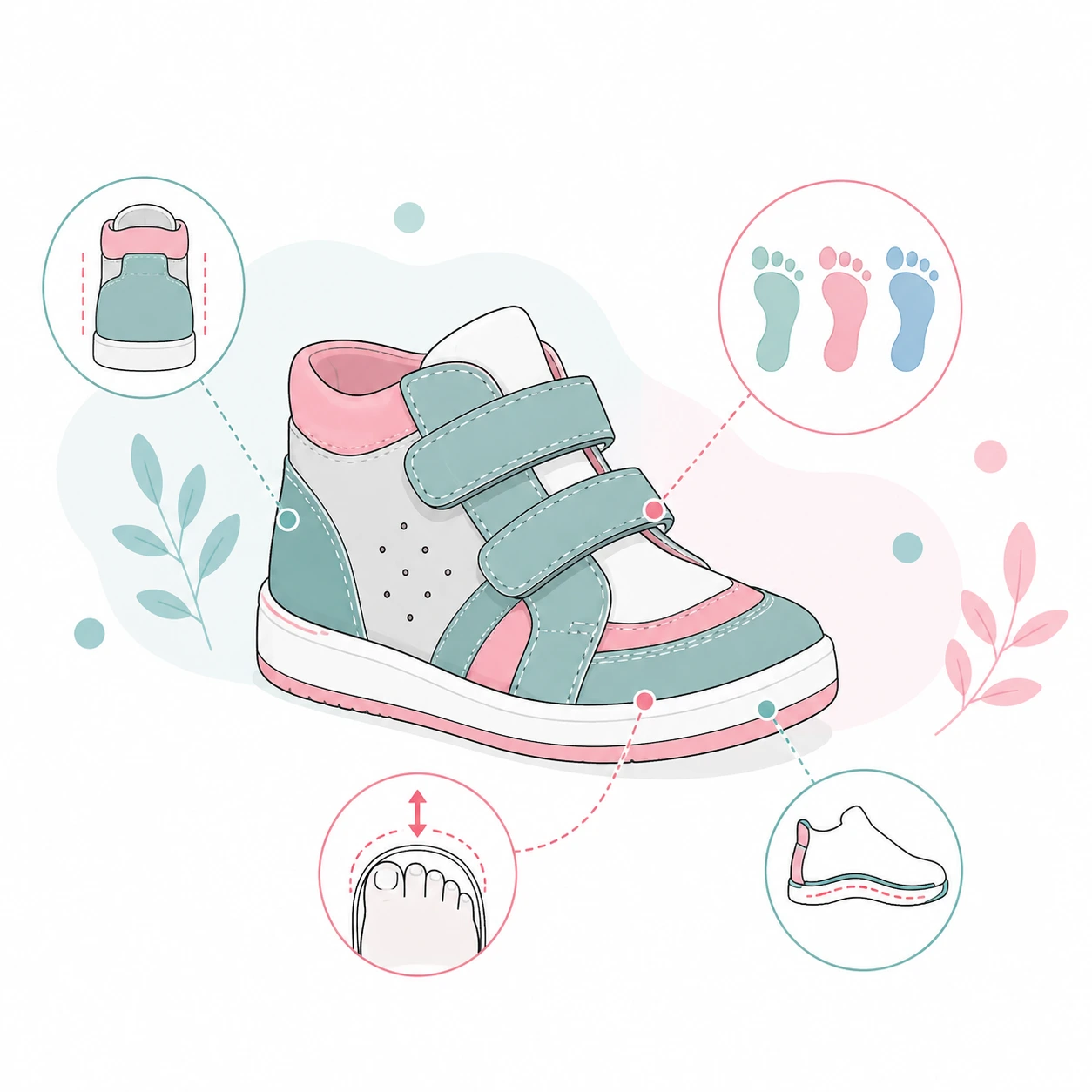
See the most common mistakes made when choosing preventive footwear for children and what to look out for before you buy.

Learn how to put on, wear and care for Aurelka footwear correctly, so that it lasts as long as possible and fulfils its preventive and corrective role. The same guide comes as a leaflet in the shoe box – here you always have it to hand.
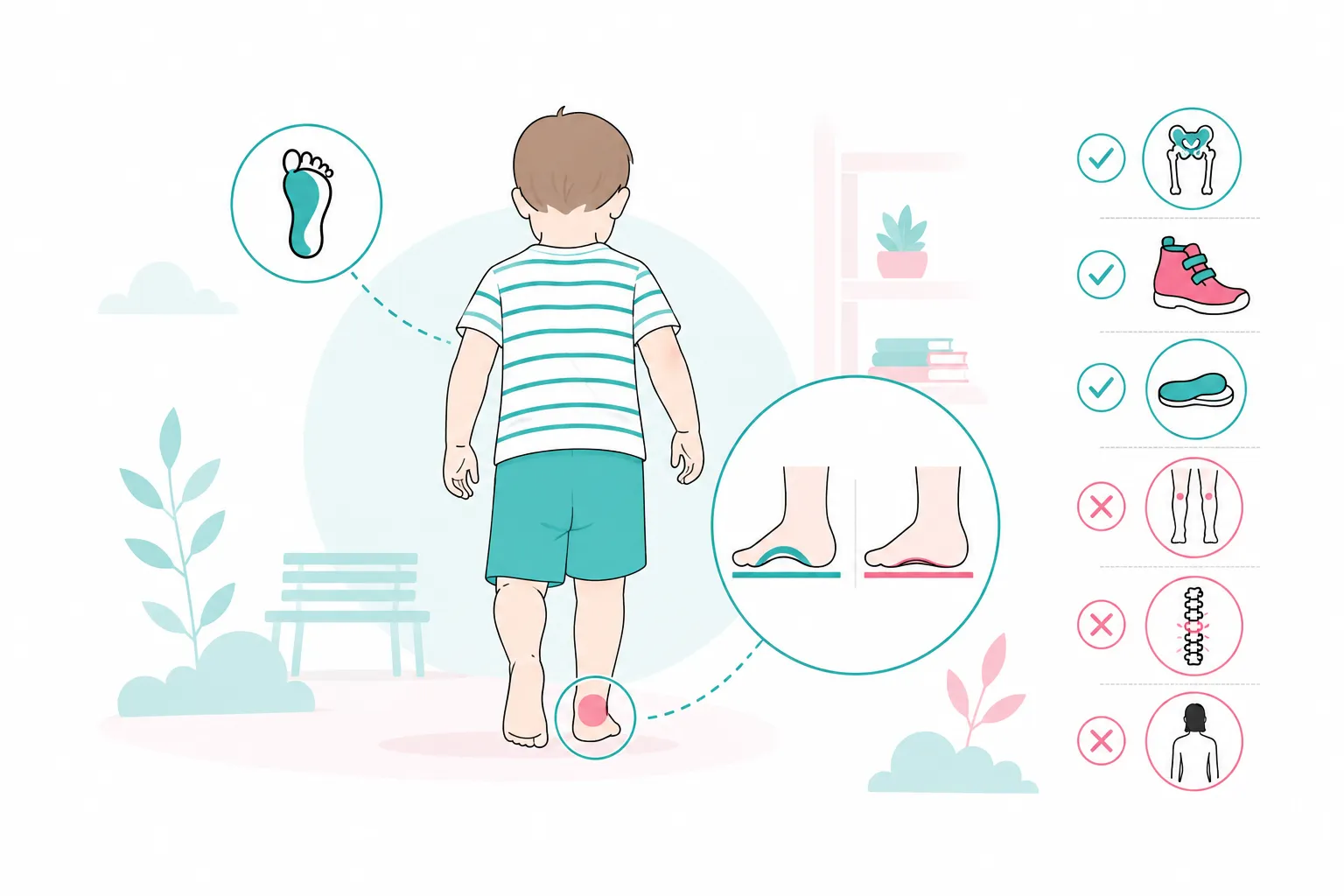
Flattened little feet, walking on tiptoe, a night-time “massage my legs” – parents often treat these as a phase the child will simply grow out of. Dr Piotr Kliszcz explains when functional flat feet really resolve on their own, and when they leave a lasting mark on the feet, knees and spine well into adult life.
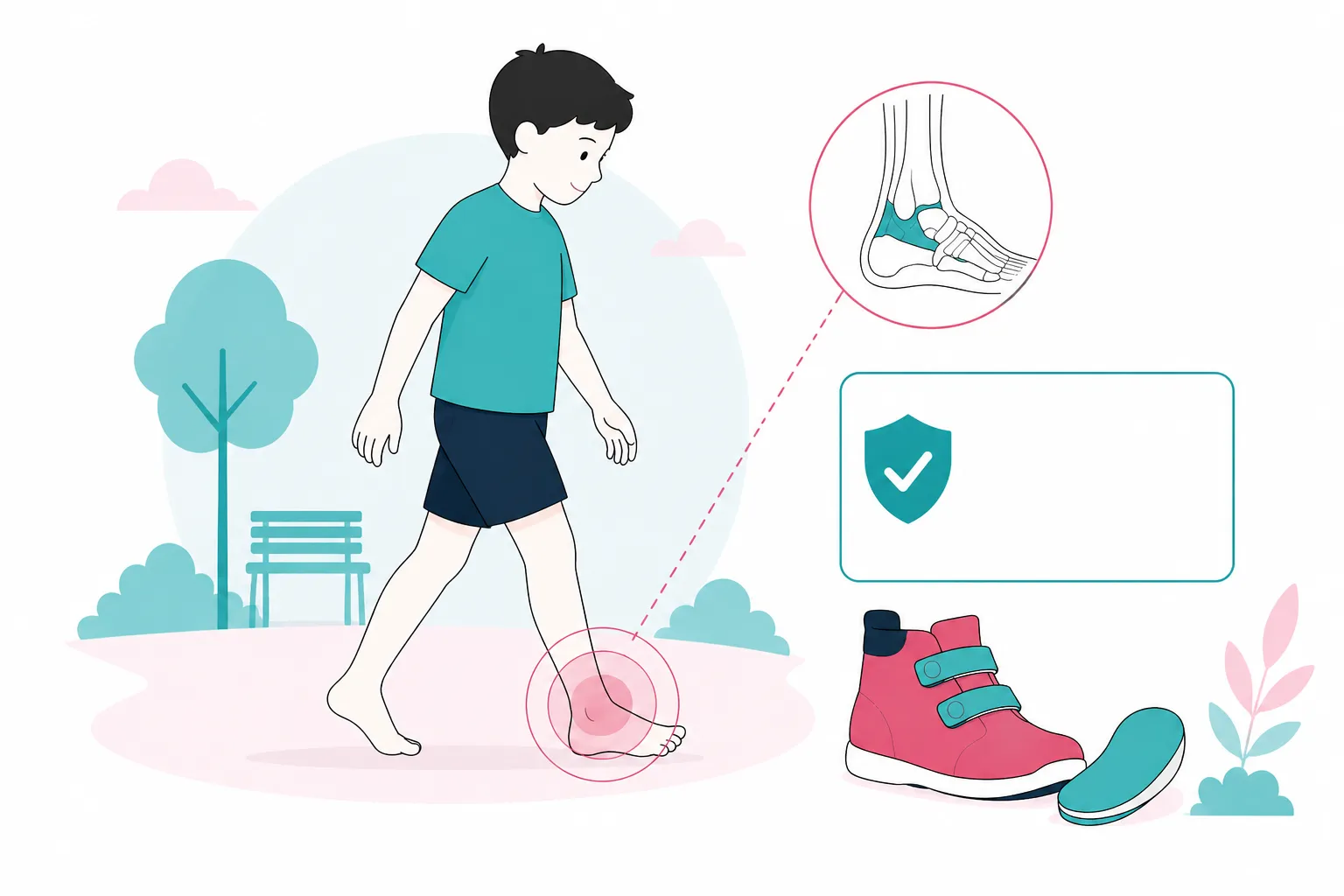
A child who comes back from a walk in tears, wakes up at night with calf pain or insists on walking on tiptoe can rarely say what is wrong. These signals almost always have one source – an unstable ankle and developing functional flat feet. In this article we explain how to recognise the individual symptoms of gait disorders and why, in most cases, the first step of treatment is simply well-chosen footwear.
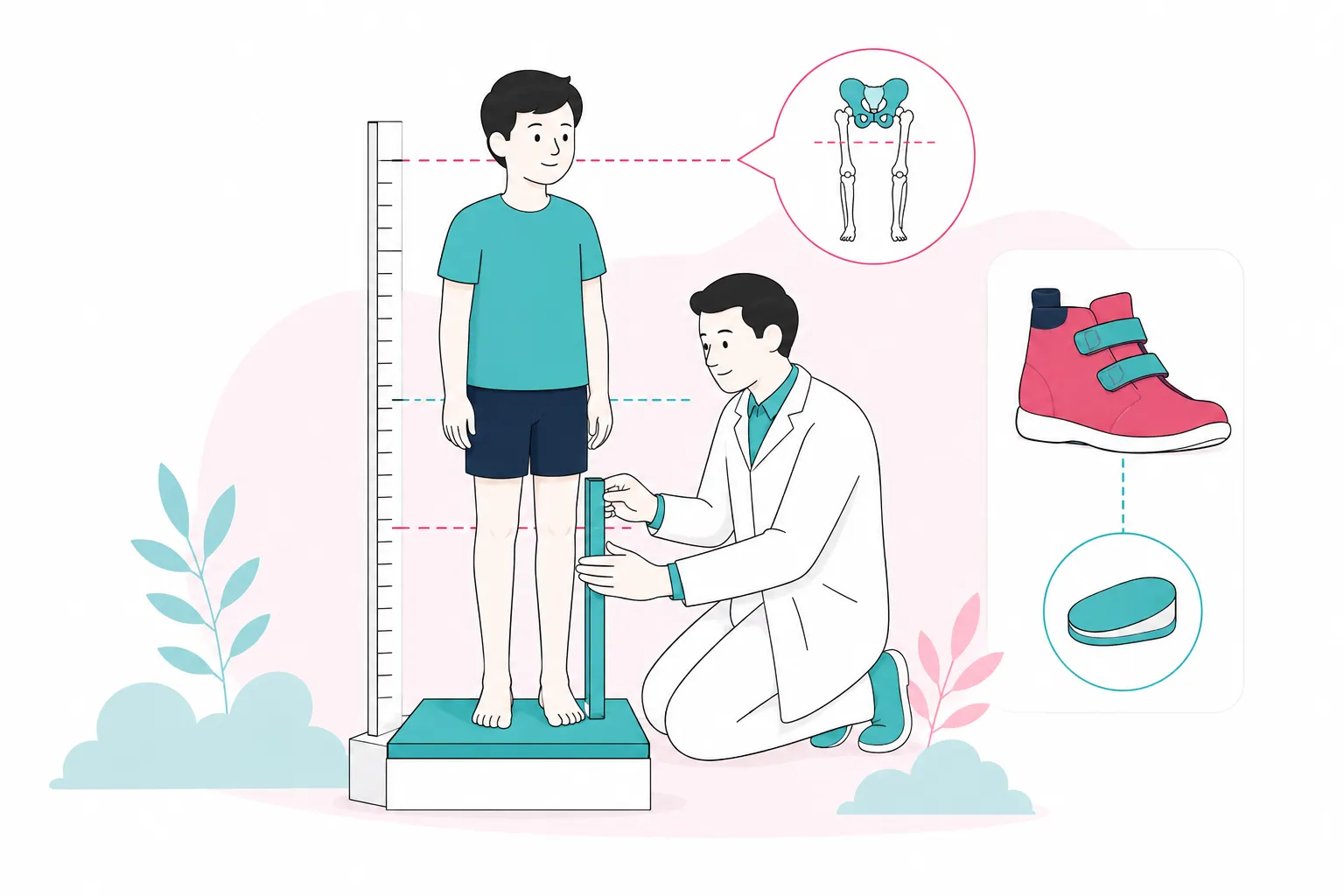
Leg length discrepancy in children and adolescents. Even a few millimetres' difference in leg length in a child can, over time, lead to scoliosis, hip pain or a noticeable limp. Dr Piotr Kliszcz, orthopaedic and trauma surgeon, explains how to recognise a shorter leg, how it differs from functional shortening and why properly chosen footwear is often the first and most effective step towards evening it out.
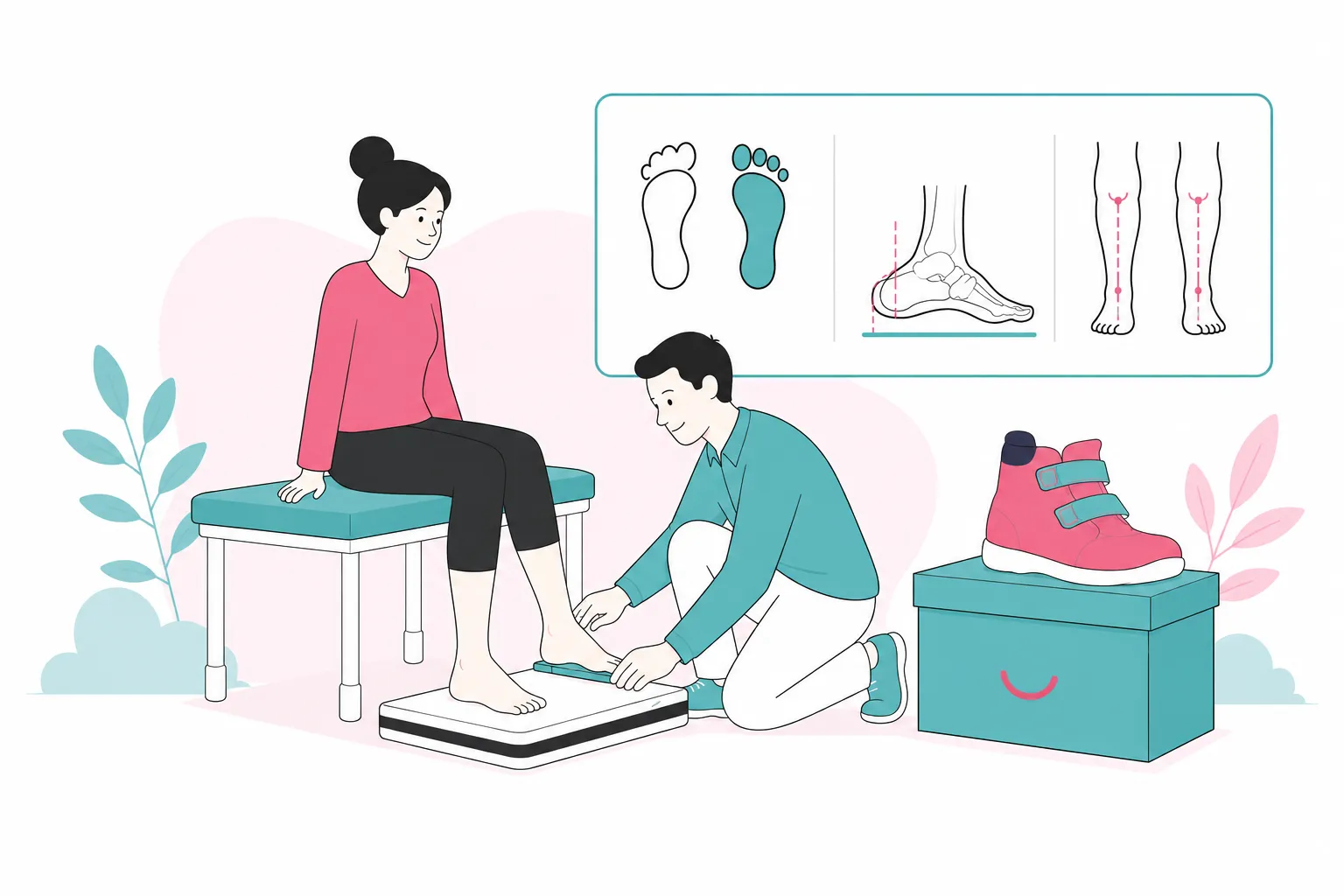
Preventive footwear should have a shape and dimensions close to those of a well-formed foot, so that muscles and joints can work freely and physiological processes run undisturbed. This is the starting point of every conversation about orthopedic footwear – because before we talk about corrections and insoles, it is worth establishing what a “good shoe” actually is.
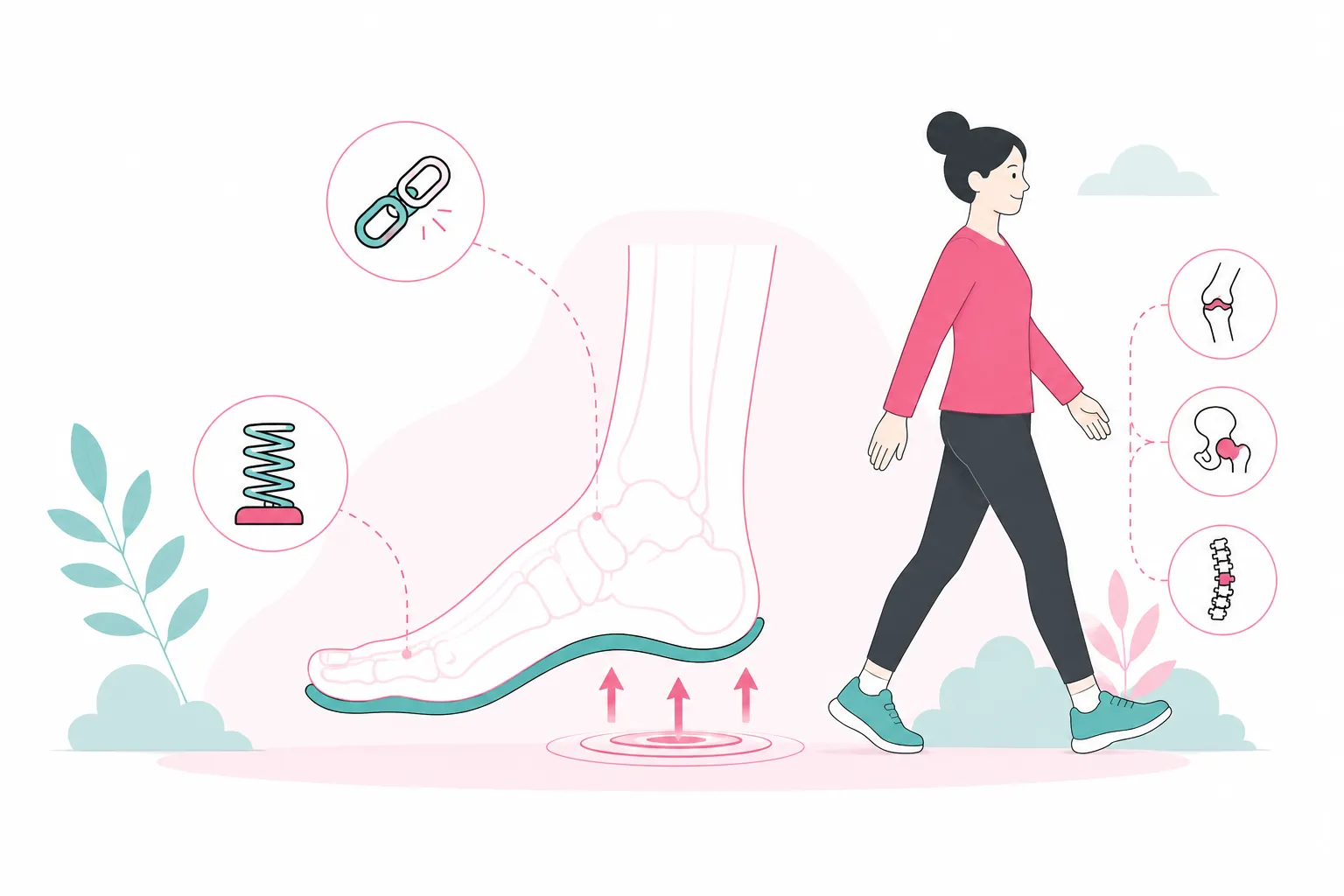
The feet have a locomotor function (as part of the biokinematic chain) and a shock-absorbing one. They are not a separate element, but part of the motor system that allows us to move, and they are the body's main shock absorber when walking.





