Thank you! Your submission has been received!
Oops! Something went wrong while submitting the form.
Search results
...

No results







Type at least 3 characters of the model name or number.
No results
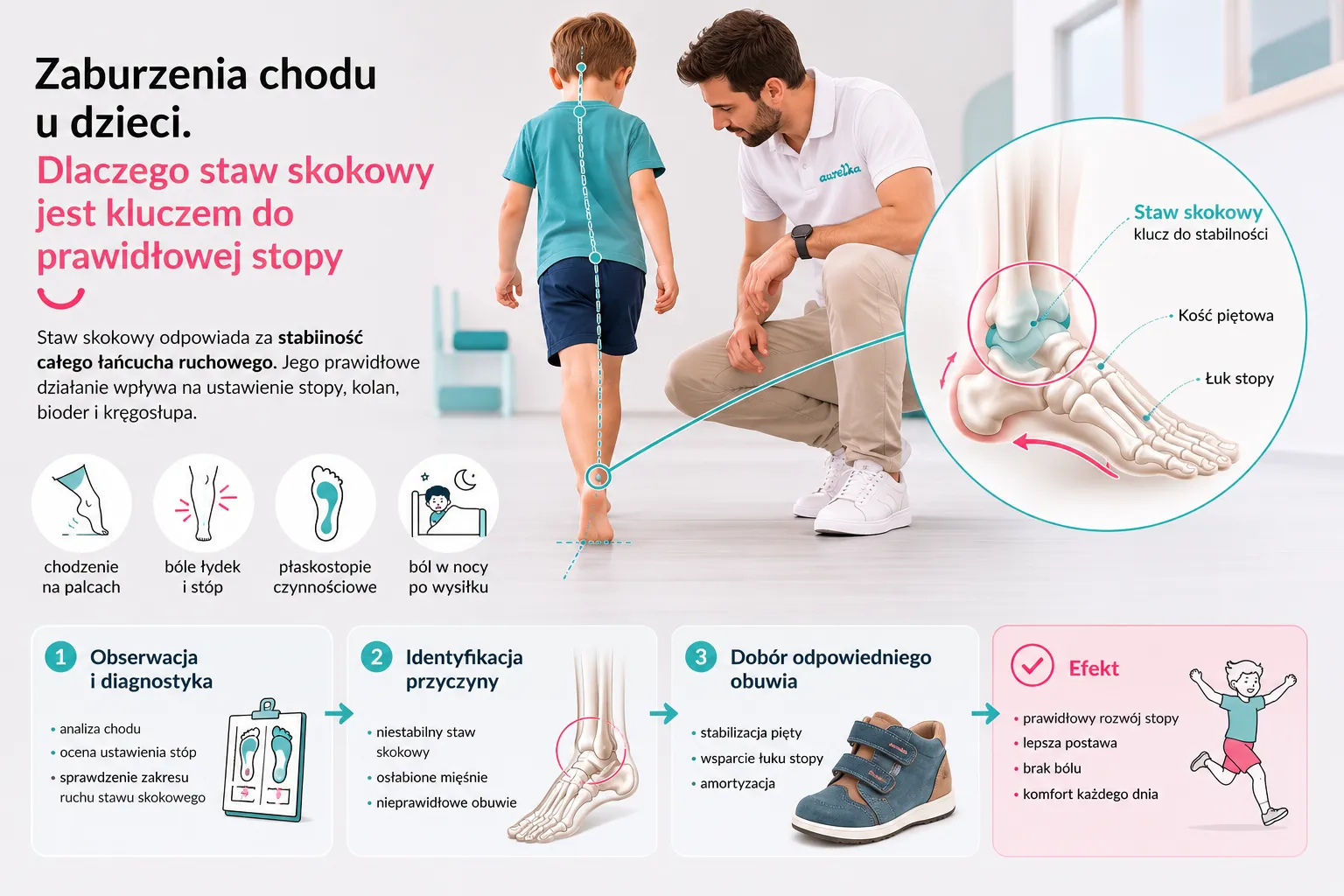
The ankle is in fact two joints working together. The upper one is formed by the lower ends of the tibia and fibula, joined by a syndesmosis to the talus. The lower one connects the talus with the heel bone and the other tarsal bones. There are additional connections between the two levels, thanks to which the joint works as one coherent mechanism rather than two independent hinges.
Stability is provided above all by the capsule and ligaments – the joint capsule, the ligaments and the tibiofibular syndesmosis. Muscles play a secondary but still important role: it is the balance between the flexors and extensors of the foot and toes, as well as the short muscles of the foot, that determines how the foot develops and what the child's gait looks like.
In young children, ligaments are much more elastic than in adults, and the bones of the foot grow faster than the muscular system can keep up. There is one more factor – the child's brain is still learning to coordinate movements, especially when learning to walk and during growth spurts. The result is that even a slight weakness of the ligaments or a small muscle imbalance can clearly disturb the function and look of walking – much more than in an adult with the same problem.
Well-chosen footwear that stabilises the ankle and positions the heel bone correctly really does make learning to walk easier and supports the formation of a healthy arch. In children who start walking later than their peers – after 14 or 16 months – progress after changing footwear can be visible literally within a few days. With simpler disorders, such as functional longitudinal flat feet, ankle subluxation or valgus heels, stabilising footwear alone is usually enough. When the problem is more complex – transverse and longitudinal flat feet together, marked valgus or varus knees – insoles and a suitably chosen heel also become necessary.
This is the most common complaint we hear from parents. A child led by the hand starts to complain – or simply cries for no obvious reason – after walking anything from a few dozen to about 200 metres. They ask to be carried or put in the pushchair and are reluctant to go for walks. Characteristically, the symptoms disappear when the child runs around the yard or playground on their own and when they walk on tiptoe. Parents often read this as whining, but it is simply a child who cannot yet name their own pain.
The most common cause is functional flat feet. After putting on footwear with good ankle stabilisation, the symptoms usually disappear within 48 hours – often the improvement is visible on the way home from the shop.
It appears just before falling asleep or wakes the child shortly after they have fallen asleep, usually with no clear explanation of what is happening. A request to “massage my legs” is typical – after a massage the pain usually passes quickly and the child falls asleep peacefully. The symptoms get worse after days of intense physical activity – running, jumping – and most often they are also rooted in functional flat feet. After introducing proper footwear they disappear within a few days.
It usually appears between the ages of 2 and 4 – the period when the fat pad protecting the sole of a child's foot physiologically disappears. The most common cause is developing functional flat feet: the child quickly realises that walking on tiptoe does not hurt, and it becomes a habit. Suitable footwear usually eliminates this habit within about two weeks.
Toe walking can also be a symptom of more serious neurological or orthopedic conditions, so if there is no quick improvement after changing footwear, it is worth consulting a specialist.
It can appear after the age of 2, but also occurs in teenagers during rapid foot growth. It can be a purely functional disorder – simply a careless gait linked to temporary coordination problems in a fast-growing child – or a sign of real foot dysfunction. In pronounced cases, especially in young children, it even leads to tripping and falling when walking or running.
Footwear with a suitably chosen reverse Thomas heel (usually 4–6 mm) brings a quick, sometimes spectacular improvement within 4–6 weeks. If the problem does not go away, consider a specialist consultation – the cause may be anomalies in the structure of the hip joints or a neurological background.
It is easy to recognise by the sound – the child clearly stamps when walking and running, sometimes so loudly that they can be heard “two floors down”. The most common cause is, again, functional flat feet, and in overweight children it is also accompanied by heel pain. After putting on proper footwear, the change can be noticeable – literally audible – within 2–3 days.
Knock knees are assessed by measuring the distance between the ankles with the knees together and slightly bent. Physiologically it is greatest at around the age of 4 (up to about 4 cm) and should fall to zero by the age of 7. During periods of accelerated foot growth this distance can increase markedly. It is a very sensitive indicator of foot problems – most often behind it are functional flat feet with ankle subluxation and valgus heels.
Well-chosen footwear that stabilises the ankle and heel can reduce knock knees by 2–4 cm almost immediately after putting it on. With greater knock knees (more than 5–6 cm), an orthopedic insole and a suitable Thomas heel are also needed, chosen individually in the range of 4–12 mm depending on the degree of valgus and the size of the child's foot. Lasting correction – i.e. correct alignment of the knees and feet even without orthopedic shoes – usually requires about two years of regularly wearing such footwear. The greater the child's body weight, the slower the process can be. A neglected problem leads to overload and premature degenerative changes in the knees and ankles and to pain that over time also affects the hips.
Bow legs are the opposite situation – an increased distance between the femoral condyles with the ankles together. Physiologically it can appear at the start of learning to walk, but should disappear by 18–24 months of age. Learning to walk too early (before 12 months), high body weight, genetic factors or rickets contribute to it. A reverse Thomas heel usually brings a clear improvement; no effect is a signal to consult a doctor. Untreated bow legs also overload the knees and ankles, although pain appears later and is usually milder than with knock knees.
In children these occur less often than in adults. They are usually the result of incorrect or badly fitted footwear. If they appear despite well-chosen shoes, the most common cause is fastening that is too loose – check this first before looking for other explanations, such as functional flat feet or an unusual foot shape.
It is recognised by the inner ankle bone protruding too far inwards and getting closer to the ground, especially when the foot takes weight during walking. It is usually accompanied by a valgus heel position. The joint surfaces move incorrectly relative to each other, which leads to the longitudinal arch dropping and functional flat feet.
The problem usually appears after the fat pad disappears, i.e. at around the age of 4, although it may occur as early as when learning to walk – especially in children with higher body weight or those who started walking early. Particularly susceptible is the group of children with increased ligament laxity, which covers 10–15% of the population. In these children, excessive joint flexibility can be visible to the naked eye: the knees bend backwards by more than 15 degrees, as do the elbows, and the child can easily touch their forearm with their thumb or do the splits. This syndrome mostly affects girls, its severity changes with age and can differ even between the left and right foot of the same child. If one foot is clearly flatter than the other, it can cause functional shortening of the whole leg – by as much as 10 mm – and consequently a change in pelvic alignment and secondary scoliosis.
Untreated subluxation impairs the efficiency and look of walking, leads to increasingly fixed flat feet, causes calf and foot pain, increases knock knees and over time favours forefoot deformities – hallux valgus, hammer toes, a widened forefoot, corns. The first symptoms may be visible as early as about 18 months of age, but they more often show up at around the age of 4 or get worse during periods of rapid foot growth.
Management depends on the child's age and how advanced the changes are. Up to the age of 4, well-chosen and properly fastened footwear is usually enough – the improvement is visible within a few days. What matters most for the child is the footwear they spend the most time in during the day: at home, at grandma's, at nursery or at school. In older children, over the age of 9–10, sports footwear becomes just as important. Preventive and therapeutic footwear should be worn for at least 14 hours a day to be effective.
After the age of 4, with more pronounced symptoms – coexisting flat feet or calf and foot pain – insoles supporting the longitudinal arch are usually needed. With complex gait disorders, when transverse and longitudinal flat feet are accompanied by knock knees and high body weight, the best results come from an insole chosen for both conditions at the same time.
The heel bone is physiologically set in slight valgus relative to the axis of the body. The problem begins when this valgus is visible even at rest and clearly increases when the foot takes weight during walking. It often accompanies functional flat feet, heel walking and heel pain. Footwear that stabilises the ankle and heel well brings an improvement practically straight away. Neglected heel valgus leads to ankle instability, subluxation, fixed flat feet and pain syndromes.
This is the lack of a proper arch – the longitudinal arch simply does not form. Up to the age of 4 the foot is still protected by the fat pad on the sole, so the longitudinal arch is naturally not visible (although the pad sometimes disappears as early as age two). If the arch is still not visible after the age of 4, it indicates weakness of the muscular system and a real disorder of foot function – it may show as calf pain, heel walking or the characteristic “slapping” of the feet on the ground.
If it is an isolated problem, well-shaped footwear that stabilises the ankle and heel is usually enough and brings quick improvement. Longitudinal flat feet can also result from ankle instability and subluxation – in practice these two problems most often occur together. Untreated, it leads to fixed (often also transverse) flat feet, increasing forefoot deformities and accelerated overload changes.
The transverse arch of the foot forms between the ages of 4 and 7. Its absence shows as a lowering of the head of the second metatarsal – a characteristic “dip” appears at the base of the second, and sometimes the third, toe. The forefoot widens, the first and fifth metatarsals tilt upwards and the big toe starts to turn into a valgus position. Pain most often affects the area at the base of the second and third toes. Transverse flat feet rarely occur alone – in most cases they are accompanied by longitudinal flat feet.
Hallux valgus in a child almost always goes hand in hand with transverse flat feet and a widened forefoot. Besides well-chosen footwear, an insole combining correction of longitudinal and transverse flat feet is often needed. After a short period of worsening, usually two days, there is a clear improvement. A neglected functional condition becomes fixed and worsens with age, leading to a widened and deformed forefoot, corns and inflammation, and after the age of 40 it often requires surgical correction.
This is the most advanced form of the problem. It usually coexists with ankle subluxation, a markedly widened, “flipper-like” forefoot and hallux valgus. It appears after the age of 4 or during periods of rapid foot growth and is accompanied by calf pain and pain around the second and third metatarsals. Walking is heavy and clearly heel-led. If both feet are affected to different degrees, functional shortening of one leg and secondary long-arc scoliosis may develop.
Well-chosen footwear with an insole for longitudinal and transverse flat feet, worn regularly – about 14 hours a day – brings a clear improvement in walking efficiency and appearance within 4–6 weeks. At the start of treatment, for the first 2–3 days, symptoms may even temporarily get worse before improvement appears.
Insoles are usually used periodically, for at least 6 months from the onset of gait disorders, and the whole correction process most often takes about two years – especially when treatment only begins once foot function disorders are advanced. In more difficult cases, especially in children with increased ligament laxity and significant excess weight, it is worth continuing until two years after the feet stop growing in length – in girls this is usually at around 12–13 years of age, in boys at around 13–15.
Most gait disorders in children have a common denominator – an unstable ankle and developing functional flat feet. The good news is that in many cases well-chosen, properly fastened footwear is enough to see a real improvement within a few days. With more complex problems – marked knock knees, transverse and longitudinal flat feet at the same time, significant ligament laxity – insoles and a suitably chosen heel are also needed, and the whole correction process stretches over months, sometimes years. The most important thing is not to play down the signals a child sends – calf pain after a walk, night-time fussing, toe walking or loud stamping – because the sooner we react, the faster and easier it is to correct the problem.

Why might one pair not be enough? We explain when two pairs of preventive or corrective footwear are useful and how to choose them well for your child.
See how we design healthy shoes for children, combining the needs of the foot, freedom of movement, ease of use and a look that appeals to the youngest.
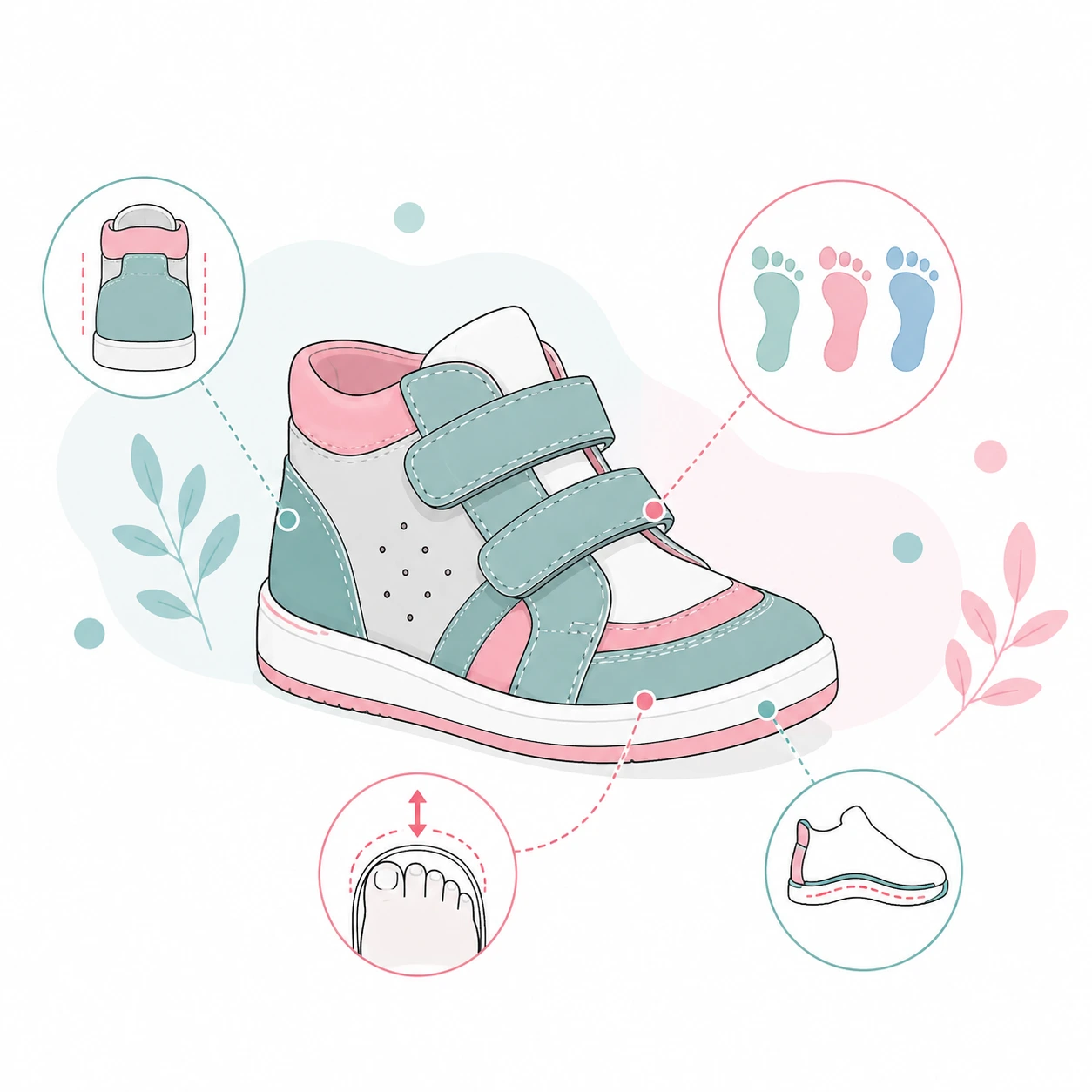
See the most common mistakes made when choosing preventive footwear for children and what to look out for before you buy.

Learn how to put on, wear and care for Aurelka footwear correctly, so that it lasts as long as possible and fulfils its preventive and corrective role. The same guide comes as a leaflet in the shoe box – here you always have it to hand.
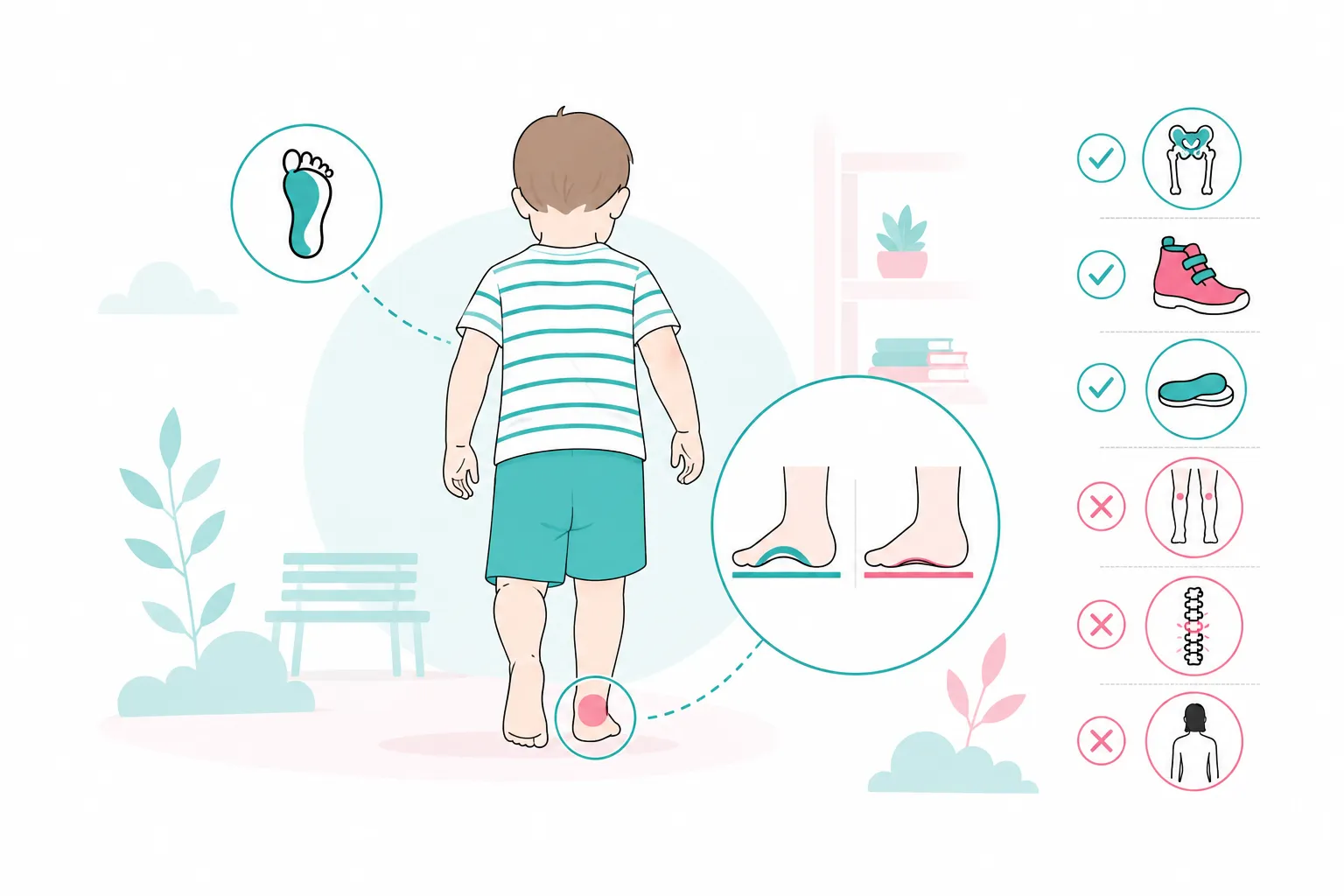
Flattened little feet, walking on tiptoe, a night-time “massage my legs” – parents often treat these as a phase the child will simply grow out of. Dr Piotr Kliszcz explains when functional flat feet really resolve on their own, and when they leave a lasting mark on the feet, knees and spine well into adult life.
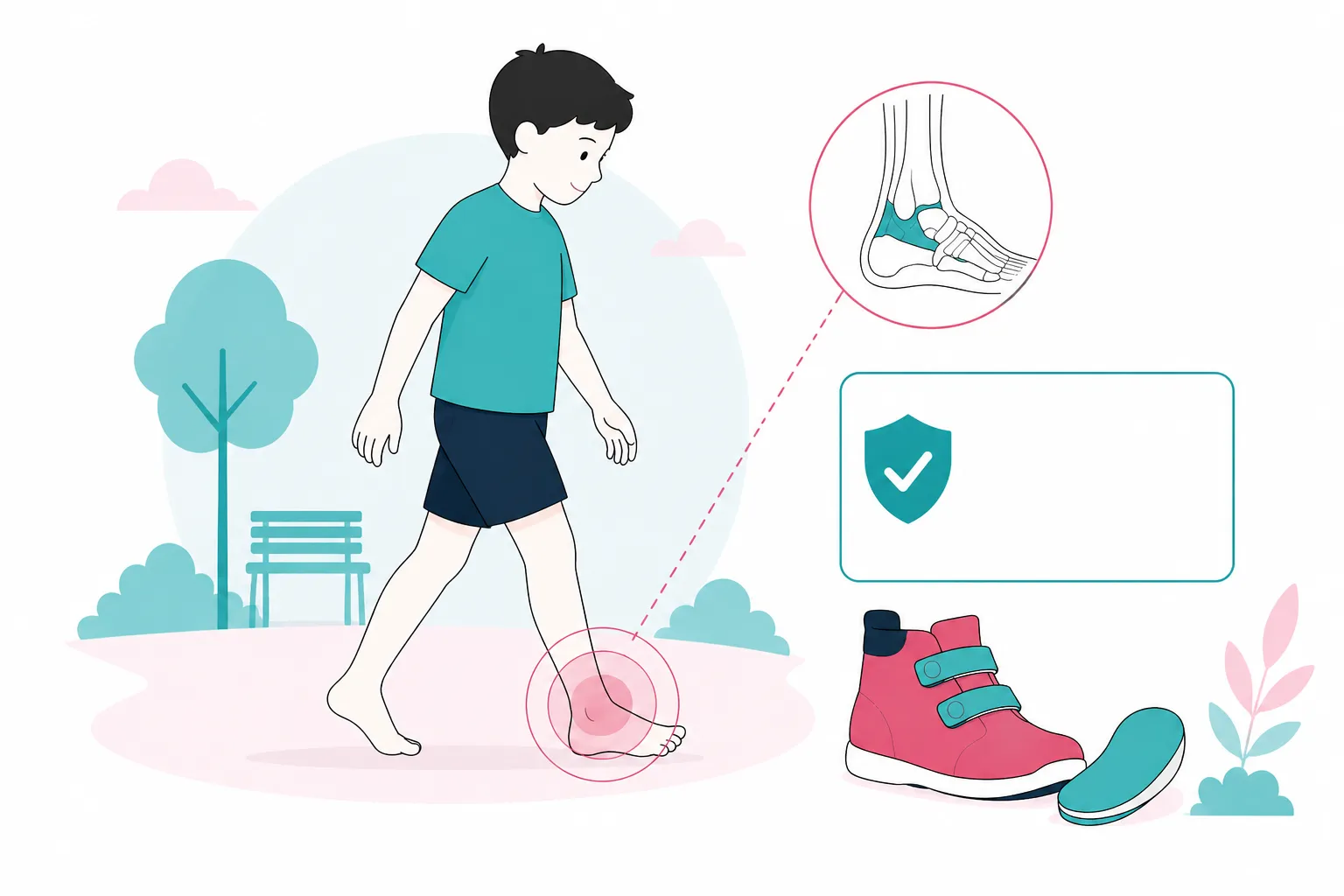
A child who comes back from a walk in tears, wakes up at night with calf pain or insists on walking on tiptoe can rarely say what is wrong. These signals almost always have one source – an unstable ankle and developing functional flat feet. In this article we explain how to recognise the individual symptoms of gait disorders and why, in most cases, the first step of treatment is simply well-chosen footwear.
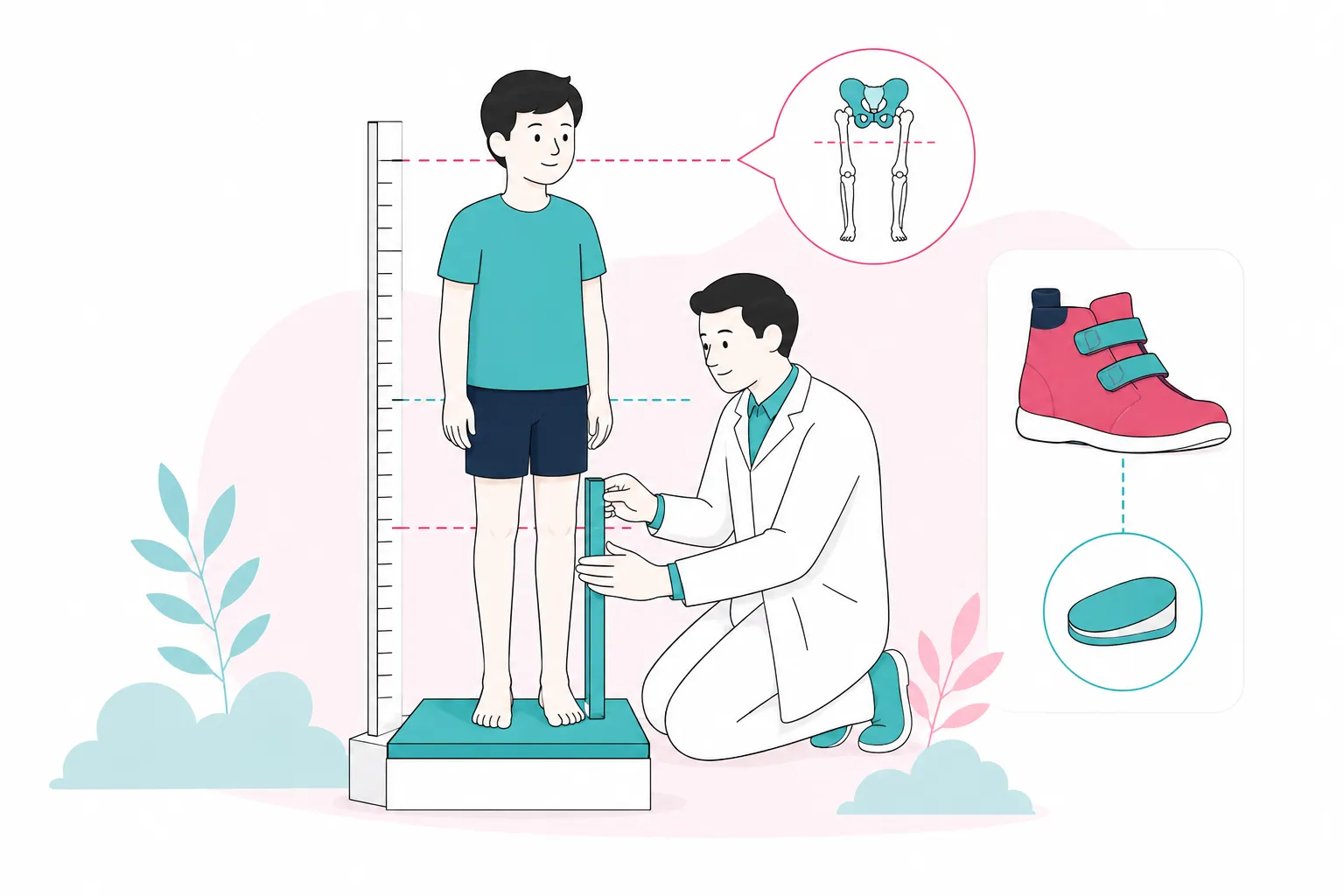
Leg length discrepancy in children and adolescents. Even a few millimetres' difference in leg length in a child can, over time, lead to scoliosis, hip pain or a noticeable limp. Dr Piotr Kliszcz, orthopaedic and trauma surgeon, explains how to recognise a shorter leg, how it differs from functional shortening and why properly chosen footwear is often the first and most effective step towards evening it out.
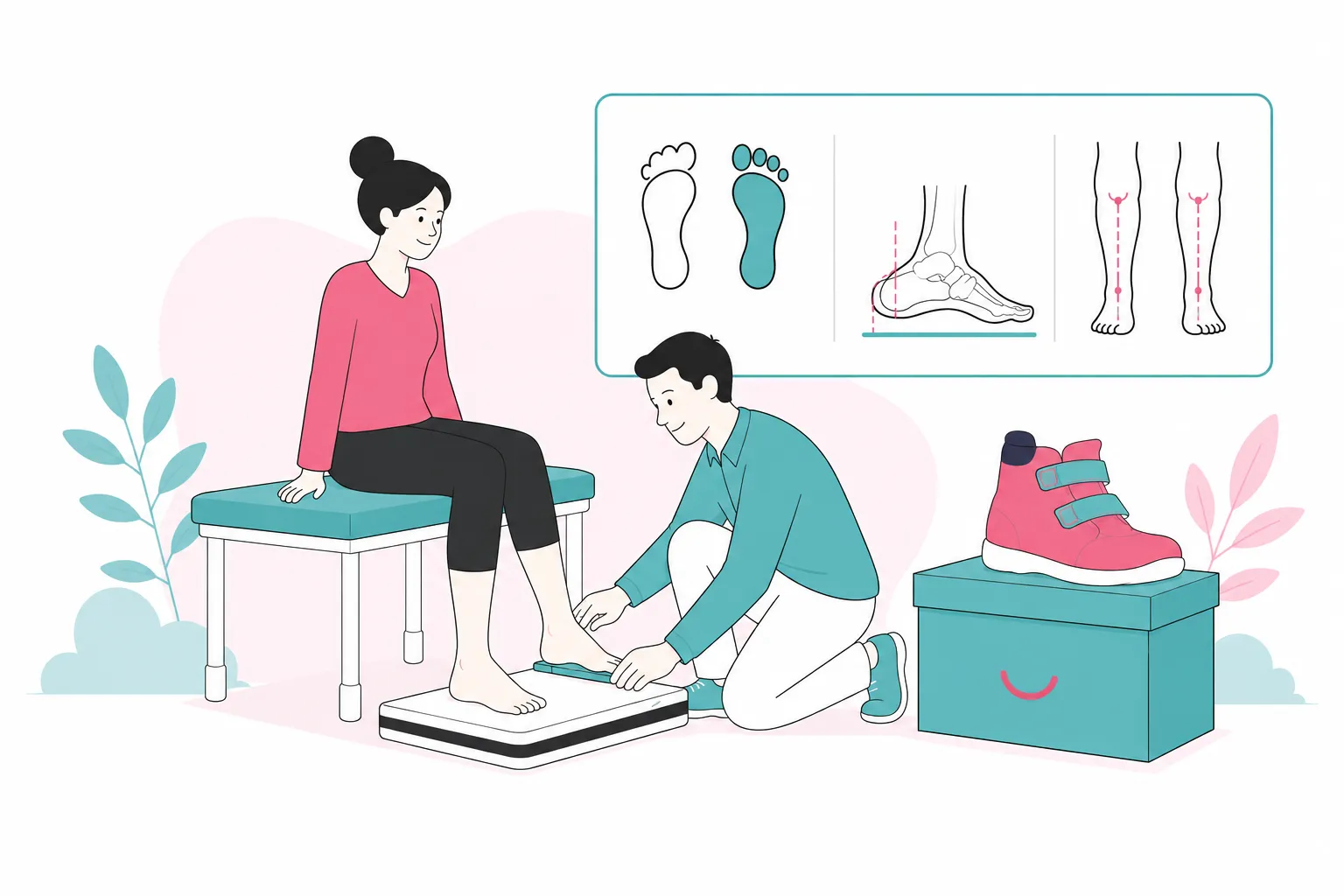
Preventive footwear should have a shape and dimensions close to those of a well-formed foot, so that muscles and joints can work freely and physiological processes run undisturbed. This is the starting point of every conversation about orthopedic footwear – because before we talk about corrections and insoles, it is worth establishing what a “good shoe” actually is.
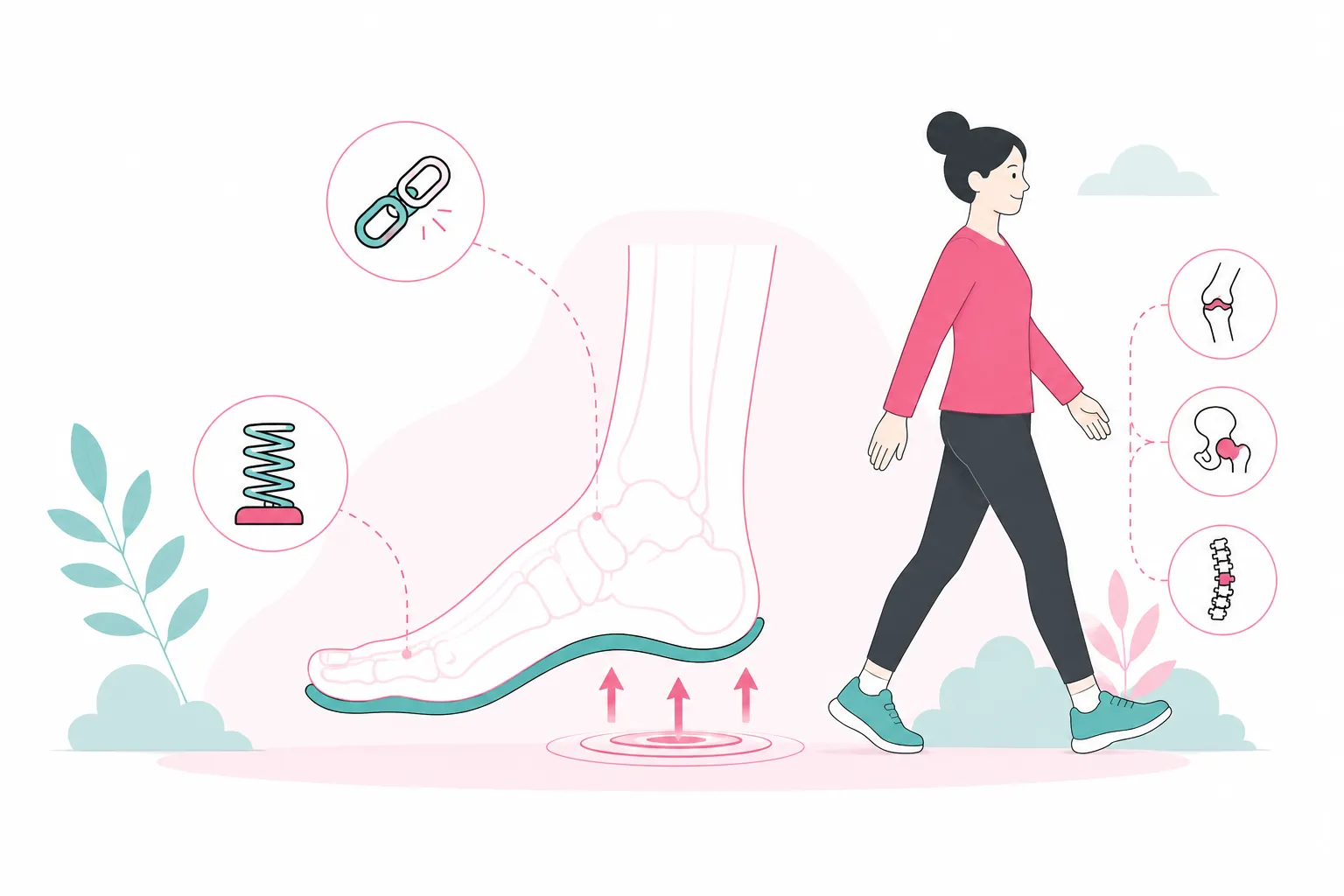
The feet have a locomotor function (as part of the biokinematic chain) and a shock-absorbing one. They are not a separate element, but part of the motor system that allows us to move, and they are the body's main shock absorber when walking.





